Malibu's century-old sand debt comes due for its famous waves
A 1926 dam, decades of coastal armouring and climate change have left California's most storied wave short of sand, and next winter could make it worse.
Surf Guide · · 2 min read
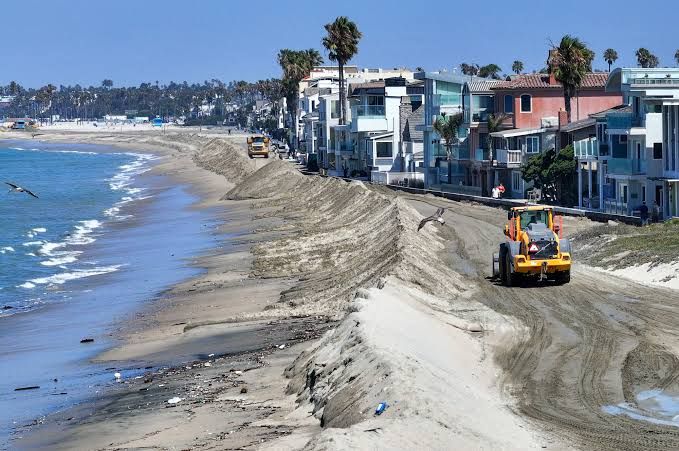
Malibu, birthplace of modern longboarding and one of the most recognisable surf breaks on earth, is in a fragile state. A report published on 27 September 2026 by the US outlet Inside Climate News sets out how Surfrider Beach in Southern California has been losing sand for decades and now faces what promises to be a punishing winter.
The story begins in 1926, when the Rindge Dam was built across Malibu Creek. Within about three decades the reservoir had silted up, and the yearly supply of sand to the shore dropped from roughly 41,000 to about 14,000 cubic metres. Research by Gary Griggs, a coastal geologist at the University of California, Santa Cruz, estimates that dams across the region have trapped some 152 million cubic metres of sand since 1885, roughly halving Southern California's natural supply. Coastal armouring adds to the squeeze: the share of California's shoreline protected by seawalls and rock grew from 2.5% in 1971 to 14% in 2018, and those structures stop beaches from migrating landward.
Surfers feel it in the water. The wave, a long, gentle peeler over a cobblestone bottom, became the first World Surfing Reserve named by Save the Waves. Long-time locals interviewed for the report say the sand cover has thinned and the three classic points are starting to merge into one. The causes are disputed. Some blame the restoration of Malibu Lagoon that California State Parks completed in 2013; others, including the foundation involved in that project, argue the wave was already changing and that the sediment shortfall is a regional problem.
Malibu is far from alone. A 2026 study in the journal Climatic Change, produced with Save the Waves, assessed 57 globally significant breaks and found that 89% face medium or high risk from declining shoreline resilience, while 79% are exposed to sea-level rise.
The immediate test is El Niño. NOAA puts the odds of a very strong event this autumn and winter at more than 90%, and Governor Gavin Newsom has declared a precautionary statewide emergency. Charles Lester, former executive director of the California Coastal Commission, warns that El Niño can push sea levels along the California coast up by 15 to 30 centimetres, and he expects a wave of emergency permits for new seawalls.
The longer-term hope is removing the Rindge Dam. If funding comes through, demolition would start in 2029 and proceed in stages over six to seven years, with around half the trapped sediment trucked to nearby beaches. For Malibu's surfers, the question is how much of the wave will be left when that sand finally reaches the sea.
Written by Surf Guide, with information from Inside Climate News, The Inertia.